
Reviewed · TREKKING TOURS IN SAPA
From Sapa: Terrace Fields and Local Villages Trek with Lunch
Sapa’s terraced fields are the main event here, but the best part is how you reach them: on foot, through village paths rather than from a bus window. I like the local ethnic guide, who can explain customs and daily life in a personal way, and I like the stop at a waterfall after several hours on the trail. Lunch and the ride back are useful touches at this low price.
The catch is the trail. Fog and rain can turn the paths into slippery mud, and one outing covered about 11 kilometers. This is not a gentle stroll for everyone, though the pace can feel manageable if you arrive with proper shoes and realistic expectations.
In This Review
- Key points at a glance
- Why the Sapa terraces are worth the effort
- The 8:00 to 8:45 pickup through Sapa
- Leaving town for fields and village paths
- Lai Chai and the human side of the walk
- The waterfall stop and the trail’s rough edges
- A local lunch after the 7-hour outing
- The shuttle back to Sapa
- Is $22 good value?
- Who should book this trek?
- My verdict on this Sapa village walk
- FAQ
- How long does the Sapa terrace fields trek last?
- What time does hotel pickup begin?
- Is hotel pickup and drop-off included?
- What language does the guide speak?
- Is lunch included in the price?
- How far do you walk?
- Is the trek suitable in wet weather?
Key points at a glance
- A walking pickup through Sapa: Your guide collects you from your hotel lobby between 8:00 and 8:45 a.m., walking from hotel to hotel.
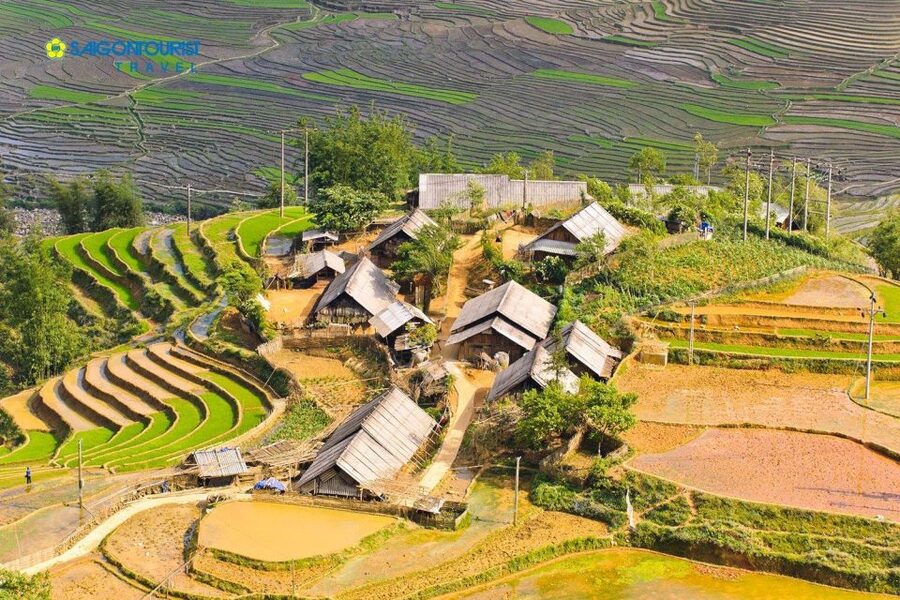
- Terraces away from the main town: The route passes rice, corn, and potato fields on a less commercial path.
- A personal cultural view: An English-speaking guide from a local ethnic minority explains village customs and may share details of family life.
- About 11 kilometers on foot: Bamboo forest, muddy paths, villages, and a waterfall make this a proper half-day trek.
- Lunch is included: You eat at a local restaurant after the walk, while drinks cost extra.
- An easy finish: A shuttle bus takes you back to Sapa and drops you at your hotel.
Why the Sapa terraces are worth the effort
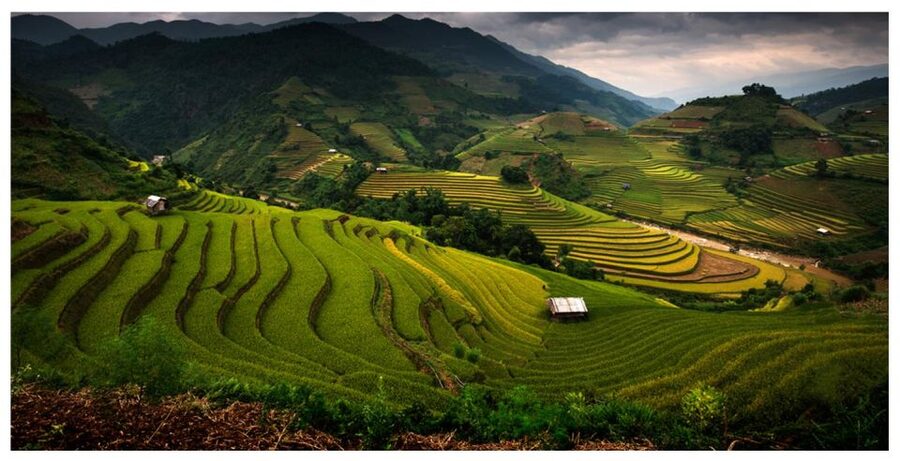
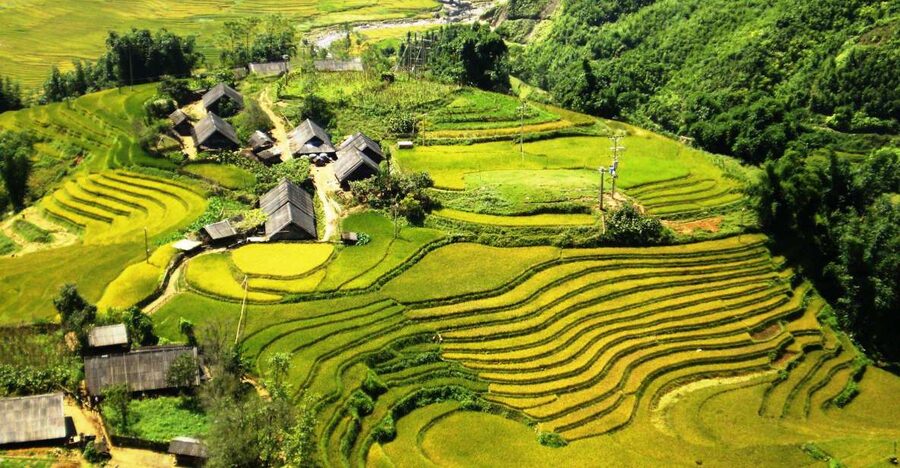
Sapa is famous for its stepped fields, and this trek gives you time to see how the terraces shape everyday life. Instead of treating the fields as a quick photo stop, you walk among rice, corn, and potato plots after leaving town.
The views change with the weather and season. On a clear day, you can expect wide mountain scenery and rows of fields stretching across the hills. In fog, the mood becomes quieter, but the ground can become far more difficult.
I like the fact that the route is described as less touristy than the paths closest to central Sapa. That does not mean you will have the area to yourself. One part of the experience can feel touristy, especially around the village stops, but walking still gives you a closer look at homes, farms, and local routines than a short sightseeing drive.
Your guide helps turn scenery into something more meaningful. You hear about local customs, habits, and ethnic minority communities while moving through the area. That context matters because the terraces are not just a pretty backdrop. They are working farmland and part of village life.
More Trekking Tours in Sapa
- Sa Pa: Muong Hoa Valley Trek and Local Ethnic Villages
★ 4.6 · 864 reviews - Sapa: Eco Adventure Terrace Fields and Local Villages Trek
★ 4.9 · 636 reviews - From Sapa: 1-Day Guided Trek to Lao Chai & Ta Van with Lunch
★ 4.9 · 416 reviews
The 8:00 to 8:45 pickup through Sapa
The morning begins with a slightly unusual hotel pickup. Your guide walks to hotels around Sapa town, collecting people one by one between 8:00 and 8:45 a.m. The exact wait depends on where your hotel is located, and the full pickup period can take 30 to 45 minutes.
Do not treat this as wasted time. Walking through Sapa at the start gives you a look at the town before the trek gets rural. You see ordinary streets and daily activity as the guide makes the rounds.
It does mean you should be ready in the hotel lobby at the stated time. If you are staying farther around town, your pickup may happen later in the window. The tour does not begin with an instant departure from one central meeting point.
Once the group is together, you walk through Sapa town. This first section helps you shift from town sightseeing to countryside walking, though anyone hoping to reach the rice fields immediately may find the opening slow.
Leaving town for fields and village paths
After Sapa, the route heads toward rice, corn, and potato fields. The change is clear: paved streets give way to paths across the hills, with terraces opening around you.
The route is active rather than technical. You need to walk for several hours, and the published duration is about seven hours from pickup to return. One outing covered roughly 11 kilometers and included bamboo forest and rice terraces, so you should prepare for a real day on foot.
Your guide explains the villages and the ethnic minority communities along the way. This is one of the strongest reasons to choose a guided trek instead of trying to follow a route alone. You get explanations as you go, rather than seeing fields and houses without context.
The walk also gives you a better sense of scale. From a viewpoint, terraces can look like neat lines on a hillside. On foot, you notice the uneven paths, changes in elevation, and the work needed to move between fields and homes.
Lai Chai and the human side of the walk
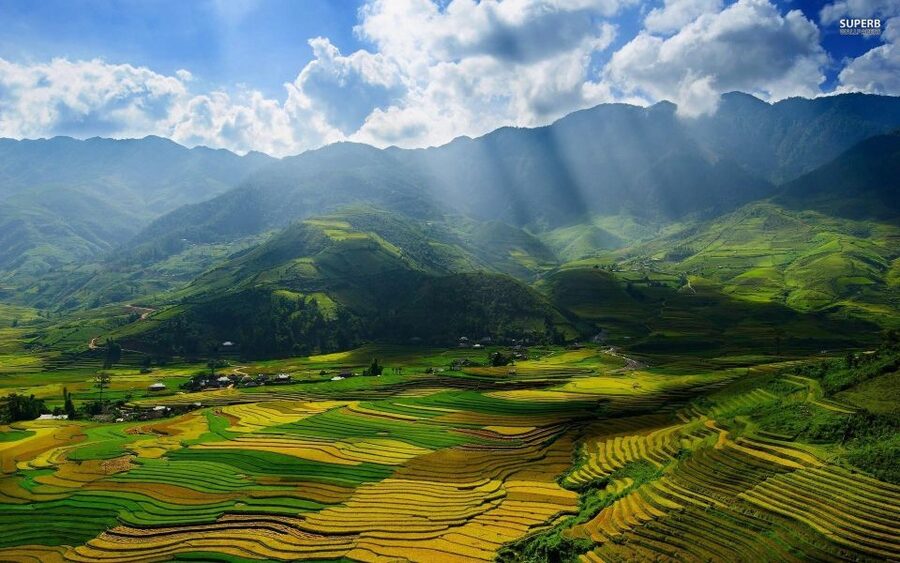
The route reaches Lai Chai, described as a small village on the tribal hill. The village section is less about a single grand sight and more about seeing how settlements fit into the hills.
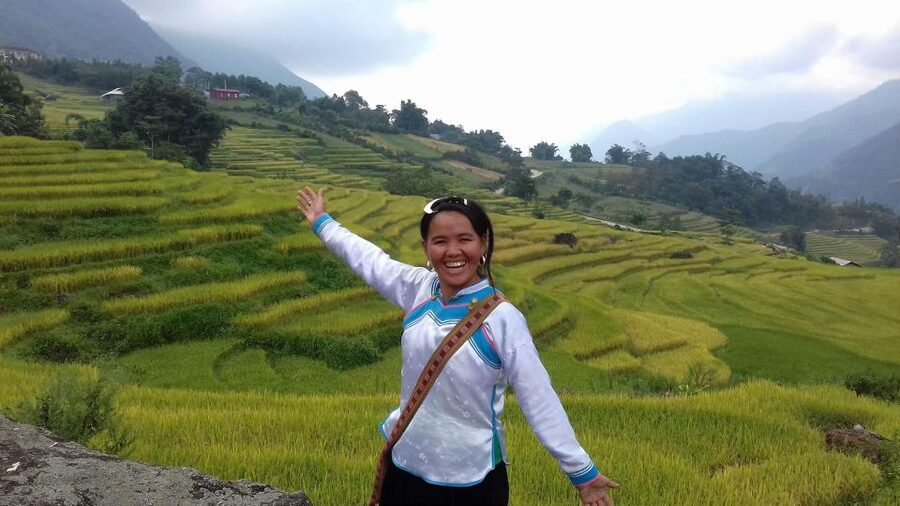
You walk through local villages and get a closer look at daily life. The guide may explain habits and customs, and the experience can feel personal rather than scripted. Guide Mao, named by one participant, was especially attentive and answered questions freely. She also showed her house and family, giving the visit a more direct connection to local life.
That personal exchange is important, but keep your expectations sensible. This is a short guided visit during a trek, not a formal cultural workshop or a long homestay. You will see and hear more than you would from a vehicle, but the time in each village is not specified.
There is also a fair point about tourism. Some sections may feel too arranged for visitors, and the route is not entirely outside the tourist circuit. Still, the walking route, local guide, and village contact add substance to the scenery.
More Sapa escapes from Sa Pa:
- Sapa 1 Day Long Trek: Trek to Hau Thao and Sa Seng Villages
★ 4.6 · 344 reviews - Sapa: Fansipan Cable, Cat Cat Village, Moana Instagram Tour
★ 4.8 · 294 reviews - From Sapa: 3-Day Ha Giang Loop with Safe Rider (max 8 pax)
★ 4.9 · 285 reviews - Explore Sapa by TrekkingAdventures, Mountain,Rice fields
★ 4.9 · 229 reviews
The waterfall stop and the trail’s rough edges
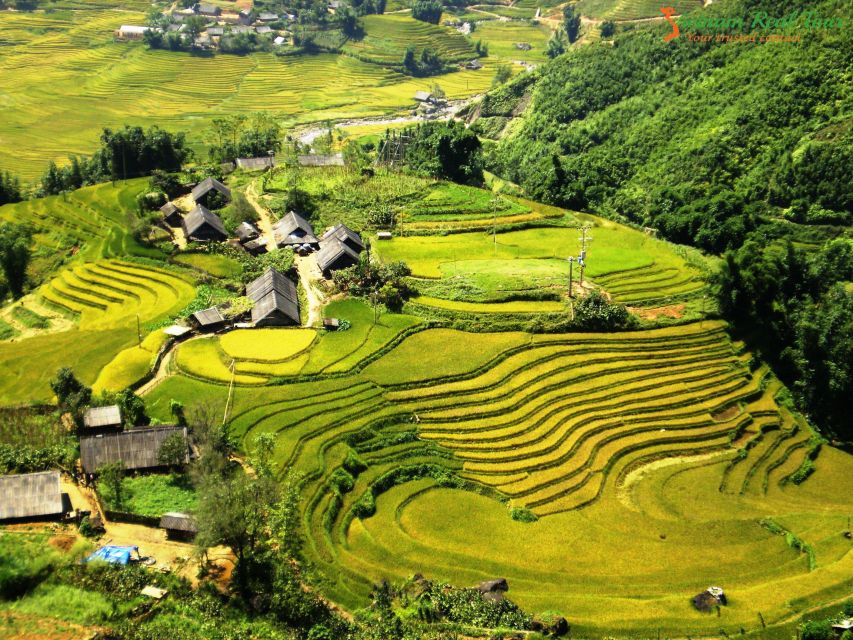
A waterfall provides a natural break during the trek. It is a good place to pause, catch your breath, and take photos before continuing through the villages and fields.
The waterfall is not presented as a major standalone attraction, so I would view it as a welcome rest stop rather than the main reason to book. Its value comes from the timing. After hours of walking, a pause beside moving water can reset your legs and give you a quieter moment.
The ground is the main practical concern. Fog and wet weather can make the paths slippery, muddy, and dirty. A participant walking in late winter found the trail difficult in fog, while another specifically recommended rubber boots in wet conditions. Trekking poles and rubber boots were also useful for people dealing with slick ground.
You should bring shoes with strong grip and clothing that can handle mud. If rain is in the forecast, ordinary city trainers may leave you poorly prepared. The exact condition of the route changes with weather, so the same trek can feel easy on a dry day and tiring after rain.
The activity excludes people with back or heart problems, wheelchair users, children under five, people over 70, and anyone weighing more than 275 pounds or 125 kilograms. Those limits reflect the uneven, active nature of the walk. If you have doubts about your fitness, this is the point to choose a gentler outing.
A local lunch after the 7-hour outing
Lunch comes after the trek at a local restaurant. It is included in the $22 price, which makes the package especially useful for a full morning and early afternoon outside Sapa.
The meal is described as local cuisine with varied flavors. Specific dishes are not given, so you should not book this expecting a named menu or a particular dietary arrangement. Drinks are not included, and you should budget separately for them.
The timing works well. You do not have to leave the trail to search for food, and the meal gives you a chance to sit down after the longer walking sections. It also keeps the tour simple: pickup, trek, village and waterfall stops, lunch, then transport back.
If food is a major reason you book an experience, this is not primarily a cooking tour. The meal is a practical part of the day, with the terraces and village walk doing most of the cultural work.
The shuttle back to Sapa
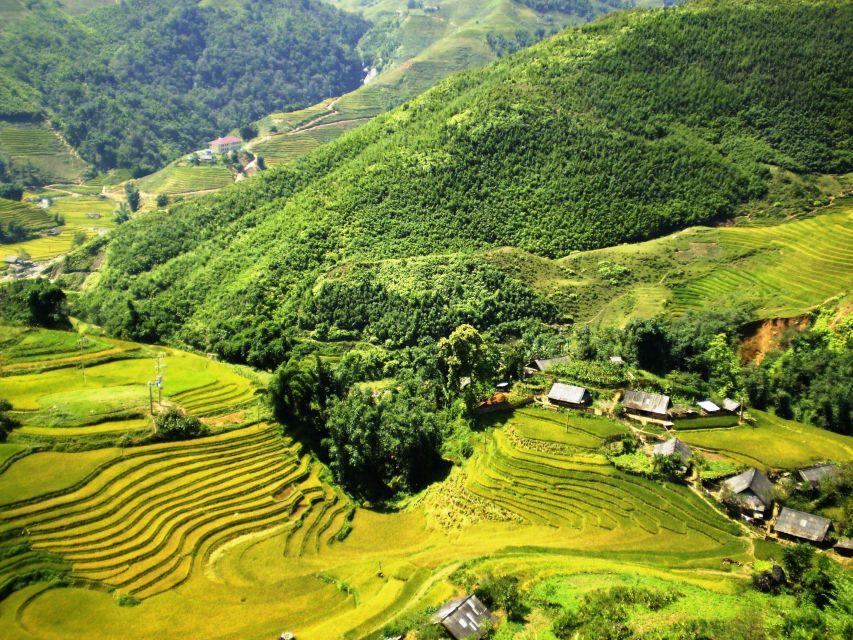
After lunch, a shuttle bus returns you to Sapa and drops you at your hotel. This is a small but valuable feature. Walking 10 or 11 kilometers is enough for one day, and you do not have to retrace the route on foot.
The shuttle also gives the outing a clean finish. You can enjoy the rural section without worrying about arranging a taxi from an isolated village. Hotel drop-off is included, which is helpful if rain has left your shoes and clothes muddy.
The return time is not stated precisely, so plan around the full seven-hour duration rather than expecting to be back at noon. The morning pickup begins as early as 8:00 a.m., and lunch follows the trek before the ride home.
Is $22 good value?
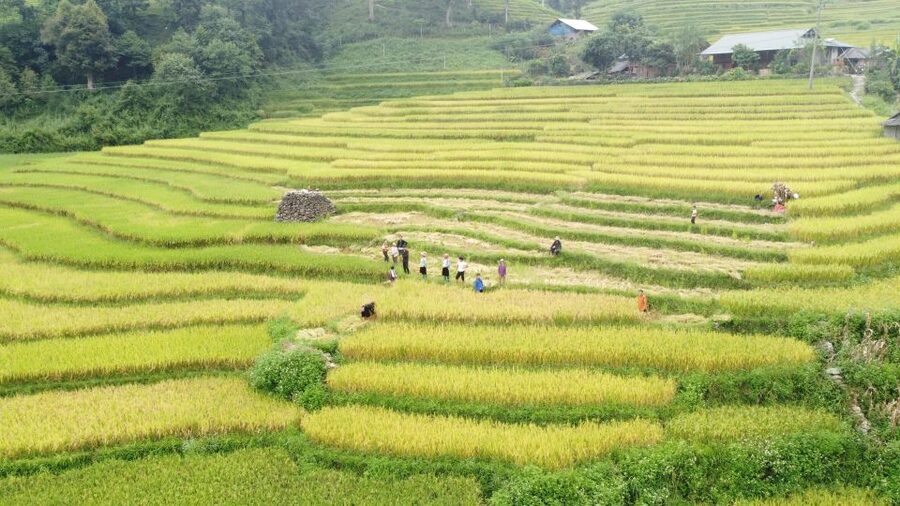
At $22 per person, this is a strong-value outing if you want several Sapa essentials in one package. You get hotel pickup and drop-off, a guided trek, village entry fees, an English-speaking local ethnic guide, lunch, and a shuttle back.
The value comes from combining services that would be awkward to arrange separately. A guide adds cultural explanation, entry fees are covered, and the return bus saves you from finding transport after a long walk.
The price does not remove every extra cost. Drinks are not included, and the quality of the day depends heavily on weather and trail conditions. You are paying for access and support, not a polished luxury tour with guaranteed clear views.
The rating of 4.3 from 77 ratings suggests a generally positive experience with some variation. That makes sense here. Clear weather, good shoes, and a friendly guide can produce a memorable day. Fog, mud, or expectations of a very quiet route can change your view.
Who should book this trek?
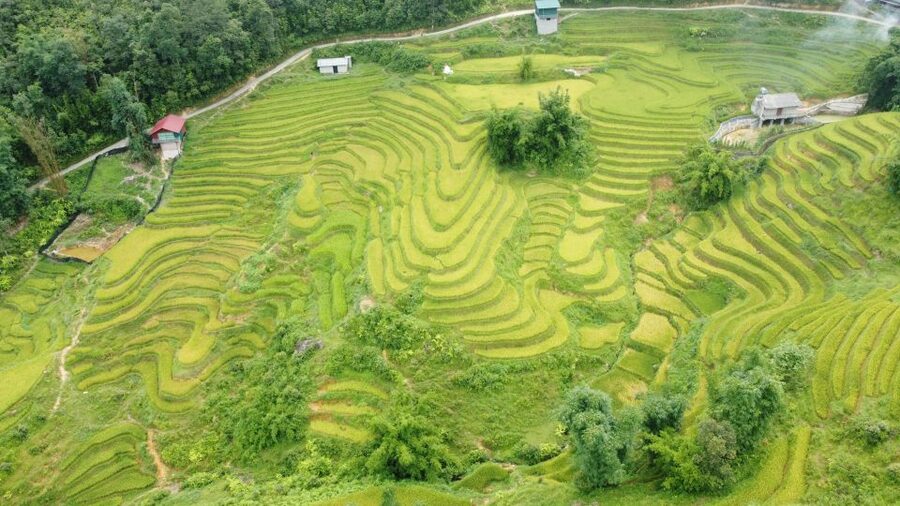
I would choose this tour if you want to see the terraces on foot and learn about local communities from a guide who comes from the area. It fits people who enjoy active sightseeing and do not mind a little dirt under their shoes.
It is also a good option for visitors who want an affordable, organized day. The pickup, lunch, and shuttle remove much of the planning work, while the walking route gives you more contact with the countryside than a standard vehicle tour.
You should think twice if you want a short, easy walk, have mobility limits, or dislike uncertain weather. The route can be slippery, and the distance may reach about 11 kilometers. Children under five, wheelchair users, people with back or heart problems, people over 70, and people over 275 pounds or 125 kilograms are specifically not suited to this activity.
Book with weather in mind. If you reserve only the night before, you may have less time to find rubber boots, trekking poles, or waterproof clothing. The tour allows cancellation up to 24 hours in advance for a full refund, and you can reserve now and pay later, which gives you some room to watch the forecast.
My verdict on this Sapa village walk
Book it if your priority is terrace scenery, village walking, and local conversation at a modest price. The strongest features are the local guide, the route through working fields, the waterfall pause, and the convenient lunch and shuttle.
Skip it if you want a guaranteed clear view or a soft, easy path. Sapa weather can make the trek muddy and tiring, and parts of the route may feel more touristy than expected.
For the right person, this is a practical way to see Sapa beyond the town center. Bring proper footwear, accept that the weather may set the tone, and expect a full day rather than a quick photo outing.
FAQ
How long does the Sapa terrace fields trek last?
The activity lasts about seven hours, including pickup, trekking, lunch, and the shuttle ride back to Sapa.
What time does hotel pickup begin?
Pickup takes place between 8:00 and 8:45 a.m. Your guide walks from hotel to hotel in Sapa town, and the full pickup period may take 30 to 45 minutes depending on hotel location.
Is hotel pickup and drop-off included?
Yes. Pickup from the lobby of your hotel in Sapa Town and drop-off after the tour are included.
What language does the guide speak?
The tour includes a live English-speaking guide. The guide is from a local ethnic minority community.
Is lunch included in the price?
Yes. A local lunch at a restaurant is included. Drinks are not included.
How far do you walk?
The exact distance can vary, but one outing covered about 11 kilometers through bamboo forest, rice terraces, and villages.
Is the trek suitable in wet weather?
Wet weather can make the paths muddy and slippery. Rubber boots, trekking shoes with good grip, and trekking poles are useful in those conditions.
More Lunch Experiences in Sa Pa
- From Sapa: Guided Full-Day Trekking with Lunch and Drop-Off
★ 4.2 · 86 reviews - Sapa: Private Highlights Day Tour with Lunch
★ 4.8 · 61 reviews - Sapa: Muong Hoa Mountain Views and Villages Trek with Lunch
★ 4.3 · 28 reviews - Sapa: Ta Phin Village Trek with Lunch and Bathing Experience
★ 4.7 · 13 reviews
More Treks Within Reach
- EXPLORE SAPA: 2D1N TREKKING & HMONG CULTURE WITH DINH
★ 4.9 · 191 reviews - Sa Pa: 6-Hours Muong Hoa Valley Trek with Local Ethnic guide
★ 4.5 · 178 reviews - Sa Pa: 2-Day Trekking Trip with Ethnic Minority Homestay
★ 4.7 · 145 reviews - Half Day Sapa Trekking to Visit Lao Chai – Ta Van
★ 4.7 · 126 reviews
Just added around Sa Pa
- Sapa Open Air Jeep Half Days Off the Beaten Track, Backroad★ 4.9 · 9 reviews
- Sapa: Motorbike Tour to Hidden Villages & Terraced Fields★ 5.0 · 9 reviews
- SaPa: 2-Day Villages,Rice Fields, Love Waterfall Hiking Tour★ 5.0 · 9 reviews
- Sapa: Explore Sa Pa in one Day with local motorcycle Guide★ 4.9 · 9 reviews
- From Sa Pa: One Day Fansipan Mountain Trek★ 4.3 · 10 reviews
- Sa Pa: Half-Day Motorbike Tour with Sunset on O Quy Ho Pass★ 4.8 · 10 reviews
- From Sapa: Glass Bridge and Silver Waterfall Group Tour★ 4.8 · 11 reviews
- From Hanoi: Sapa Discovery Package Tour 2 Days 1 Night★ 4.8 · 11 reviews
Trekking Tours in Sapa, compared.

Muong Hoa Valley Trek and Local Ethnic Villages
Read our review →

Sapa 3 Days 2 Nights Trekking Tour (1 Night In Ta Van Village, 1 Night In Hotel)
Read our review →
Eco Adventure Terrace Fields and Local Villages Trek
Read our review →
3-Day Trekking Adventure of Sapa from Hanoi – Stay Ta Van Village
Read our review →
Number one top rated ethical cultural trekking and homestay by ETHOS
Read our review →
2-Day Sa Pa Ethnic Homestay Tour & Trek with Limousine Bus
Read our review →
1-Day Guided Trek to Lao Chai & Ta Van with Lunch
Read our review →Browse the lists this tour appears in